Business context
Keep business context between AI conversations
Stop rebuilding the same business brief in every chat. Give an Avori agent useful context, keep sources current and separate personal from shared work.
In this guide
The first ten minutes of an AI conversation can feel familiar: explain the business, paste the brand voice, name the account, correct an old assumption. Then do it again next week. Useful context should survive the job, but it also needs an owner who keeps it accurate.
Avori agents can keep instructions and remembered context for ongoing work. You can bring files and connected apps into the job and use Rooms for conversations that belong to a team. That helps you keep a recurring assignment with the context it needs.
Separate durable facts from this week's request
Your brand voice may last for months. A sale ends on Friday. Give the agent enduring instructions separately from the brief for the current task. Put an expiry or review date beside temporary details so they don't become the answer forever.
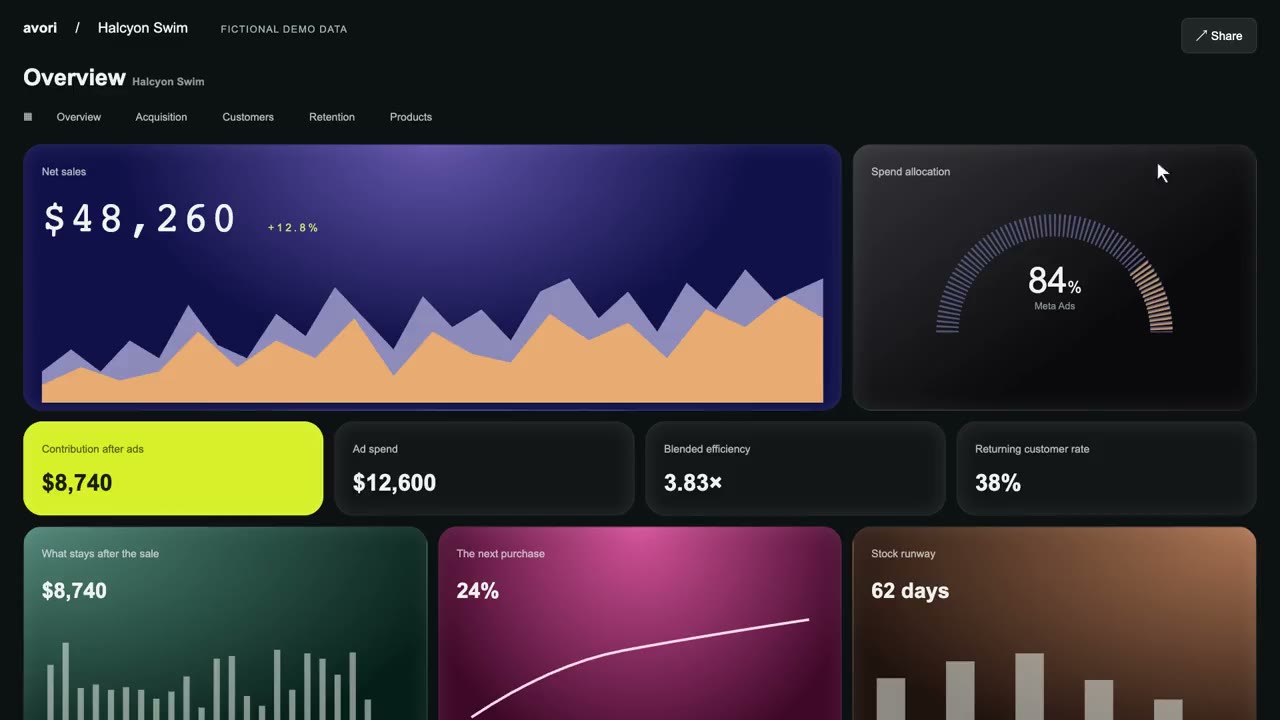
For a weekly store review, useful durable context might include the definition of net sales, which store to use and how you want returns handled. This week's task supplies the reporting period and any special questions. Ask for source links so a teammate can check a surprising number.
Keep a source of truth
Memory is useful context, not a substitute for a current record. If the price changed, update the price source and tell the agent what changed. If a customer asks about an order, use the current order record rather than an old summary.
A short, accurate brief is more useful than a folder full of contradictory instructions. Remove superseded rules when you replace them. Tell the agent which source wins when two documents disagree.
Share the context the team needs
A personal conversation and a shared Room have different audiences. Decide where an assignment belongs before adding sensitive material. Sharing a report doesn't mean every teammate needs the private notes behind it or access to every connected account.
Use a Room for the team's questions about a shared result. Keep personal work with the person doing it. When you share an agent, test what another member can actually access; the owner's view is not a permission test.
Check continuity with a follow-up
After a completed job, start a new request that depends on one known detail. Ask which source the agent used. If it relies on something outdated, correct that source and the instruction rather than burying the correction in a long chat.
The aim is less repeated briefing and more work you can verify. Start with one agent and one recurring assignment, then read the Rooms lesson or learn about sharing the work.