Working together
How to share an AI agent with your team
Give your team an AI agent they can use together. Learn what to share, how to check access and where Avori Rooms fit into the handoff.
In this guide
You build an agent that understands your business. It knows how you write, where the weekly numbers live and which questions need a human decision. Then a teammate asks to use it. Copying your opening prompt into their chat throws away much of the work you just did.
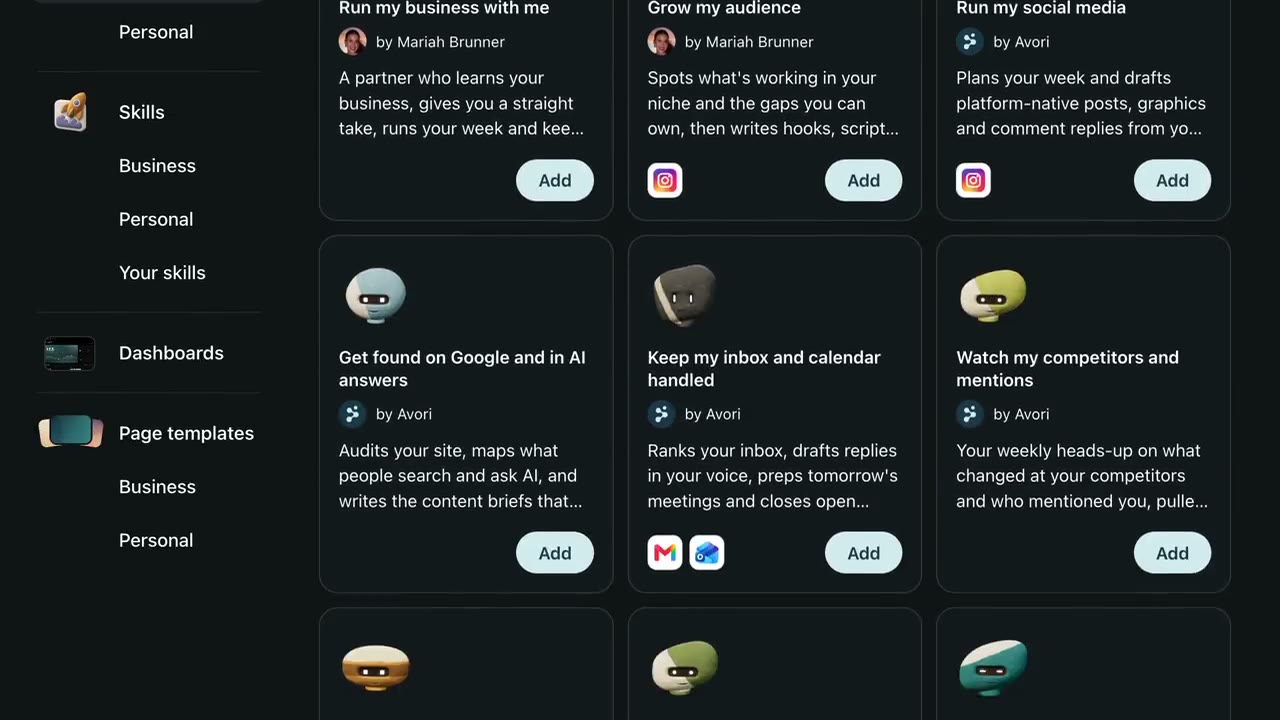
Avori gives that work a home. You can share an agent with your team and bring agents into Rooms where people work together. The useful question is what a teammate should be able to use, and what should stay private.
Start with a job someone else actually needs
A useful shared agent has a clear assignment. For example: prepare a weekly store review, explain the change in sales and leave the team with questions to resolve. Give it the reporting definitions and the files it needs. Run the job yourself before asking colleagues to depend on it.
Write down what a good result includes. “Revenue by channel, the date range and links to the source” is easier to review than “keep us informed.” If a report requires an account connection, make sure the person using the agent has the right access.
Sharing an agent is different from sharing everything
Decide who needs the agent, who needs the finished work and who needs to join the conversation. Those are separate decisions. A colleague who only needs the weekly report may only need access to that report. Sharing should never depend on sending your own account password around.
Check the experience from the recipient's account. Can they find the agent? Can they open the linked report? Does an action require their own connection or an approval? This is the quickest way to catch a handoff that looks complete from the owner's screen but leaves a teammate stuck.
Keep the discussion beside the work
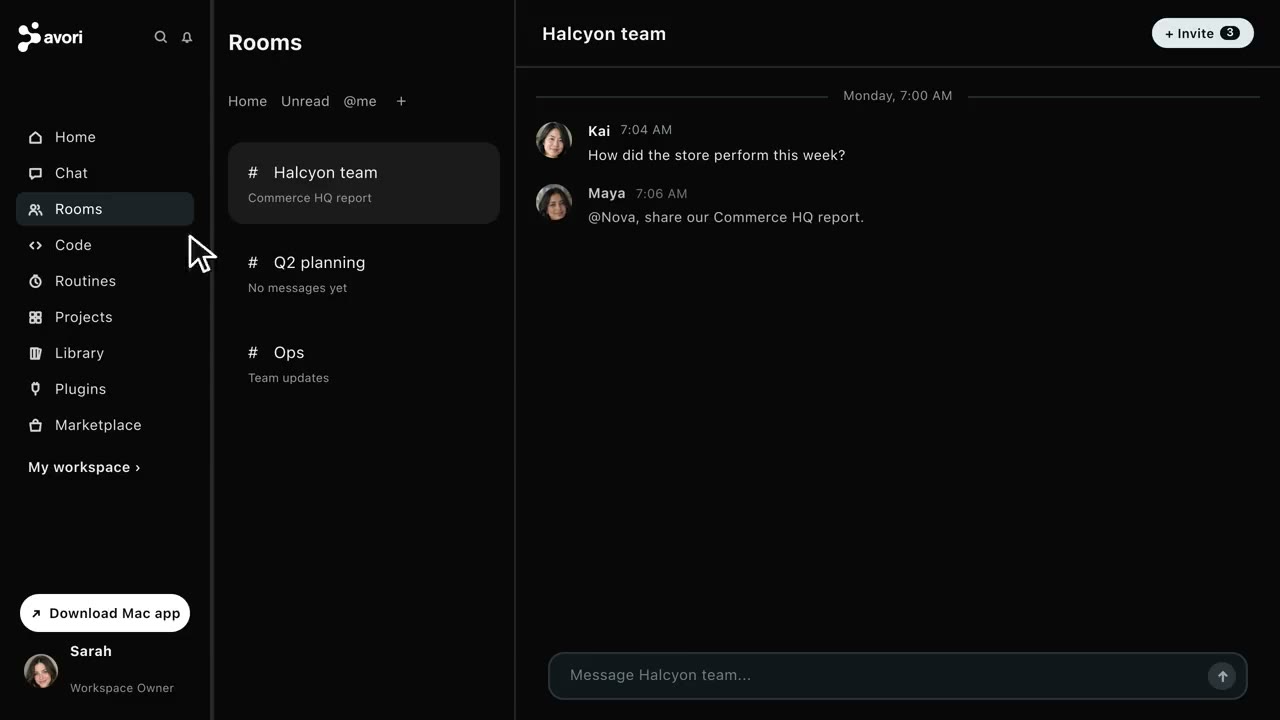
Use a Room when the team needs to discuss a result together. Ask the agent for the update there, then let people question an assumption or decide the next step. Keep individual work in personal chats when it doesn't belong in that shared conversation.
When the job changes, update the agent's instructions and the relevant source. Don't make every teammate maintain a different copy of the rules. Start with one shared job, watch someone else use it, and fix the parts that still need explaining.
Watch the sharing lesson, or read about keeping useful business context.